
Success of 'Sudarshan' in Kushtia’s Fields: An Easy Guide to Cultivating Traditional Hybrid Cauliflower
In the vast fields of Kushtia, a “Sudarshan” (meaning beautiful) awakening has taken place through the hands of farmer Asif Hasan. This hybrid cauliflower Sudarshan is not a prince from a fairy tale; it is the F1 Hybrid Cauliflower from Jamalpur Seeds, which is as beautiful and eye-catching as its name suggests.
Today, many new seed varieties are coming into the market, so people may wonder why Sudarshan is still so popular. The reason is simple—when grown with the right methods, Sudarshan continues to give a very good harvest.
Jamalpur Seeds does more than just sell seeds. They support farmers like true friends, and their farmer-friendly efforts truly deserve appreciation.
Let’s take a closer look at the features, cultivation methods, and future potential of Sudarshan cauliflower.
Hybrid Cauliflower Sudarshan: Features and Identity
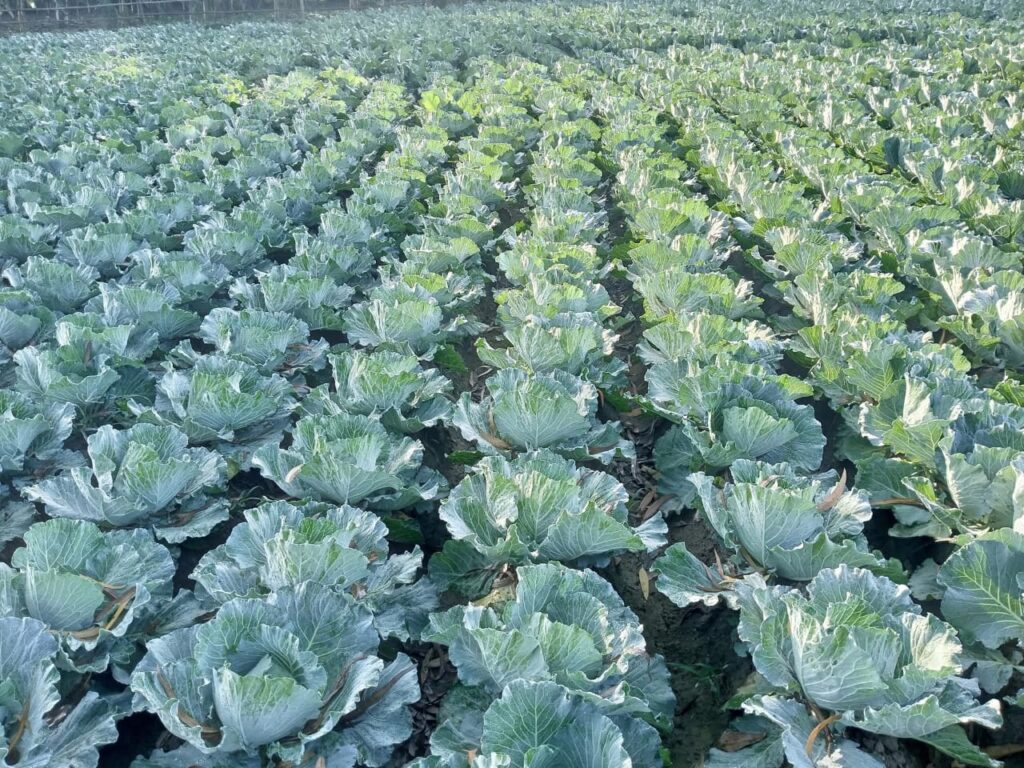
Sudarshan cauliflower has some special qualities that set it apart from other varieties. It is a mid-season variety. The cauliflower is brilliant white and perfectly round. Most interestingly, the flowers are naturally covered by leaves. This protects them from the harsh environment and maintains their high quality. Each cauliflower weighs about 1.5 to 2 kg on average. It can be harvested within 55–60 days of planting, allowing farmers to make a quick profit.
Sudarshan is an established variety, but its popularity has never faded. Even after many years, it continues to lead the market because of its dependable quality and strong performance. Farmers trust Sudarshan, and that trust keeps it in demand season after season.Sudarshan is an F1 hybrid with all the qualities farmers look for—high yield, disease resistance, and top-notch quality. It has proven itself even in tough conditions like temperature and humidity changes.
Easy Farming Method for Sudarshan
In the present day, eco-friendly agriculture is more important than ever before. So, how can healthy cauliflower be cultivated using sustainable methods? Let’s analyze the entire process step-by-step.
The best time to sow Sudarshan seeds is during the Bangla months of Srabon, Bhadro, and Ashwin. You need about 120 grams of seed per acre. For a 10 ft × 3 ft seedbed, 10 grams of seed is enough. For early crops, it’s best to transplant 20–30-day-old seedlings. You can transplant until the end of Kartik.
Important Tip: Timely seed sowing and transplanting are crucial for good yield.
When transplanting seedlings, maintain a spacing of 3 ft × 3 ft for mid-season crops. After planting, take good care of the plants so they grow strong before the cauliflower head starts forming.
Pro Tip: The size of the plant determines the size and weight of the cauliflower head.
Apply fertilizers based on soil test results. Here's the recommended dose:
- Cow dung/compost: Apply during land preparation.
- Urea: 100 kg per acre, divided into three applications after transplanting.
- TSP (Triple Super Phosphate): 60 kg per acre.
- MP (Muriate of Potash): 80 kg per acre, applied similarly to TSP.
- Also, use gypsum, zinc sulfate, and boron fertilizers in the recommended amounts.
Important Reminder: Proper fertilizer use boosts disease resistance and ensures good yield. With these methods, you can grow healthy cauliflower.
Key Features: The Relevance of Established Varieties and Future Prospects
One of the key advantages of Sudarshan is its ability to reach desirable maturity within just 55–60 days after transplantation, helping farmers achieve timely and efficient harvests.
This variety is well suited for transportation due to its compact fruits and long leaves, which help shield the fruits from harsh environmental conditions.
The variety is easy to harvest, reducing labor effect and saving time during the harvest processes.
Conclusion: The Secret to Success
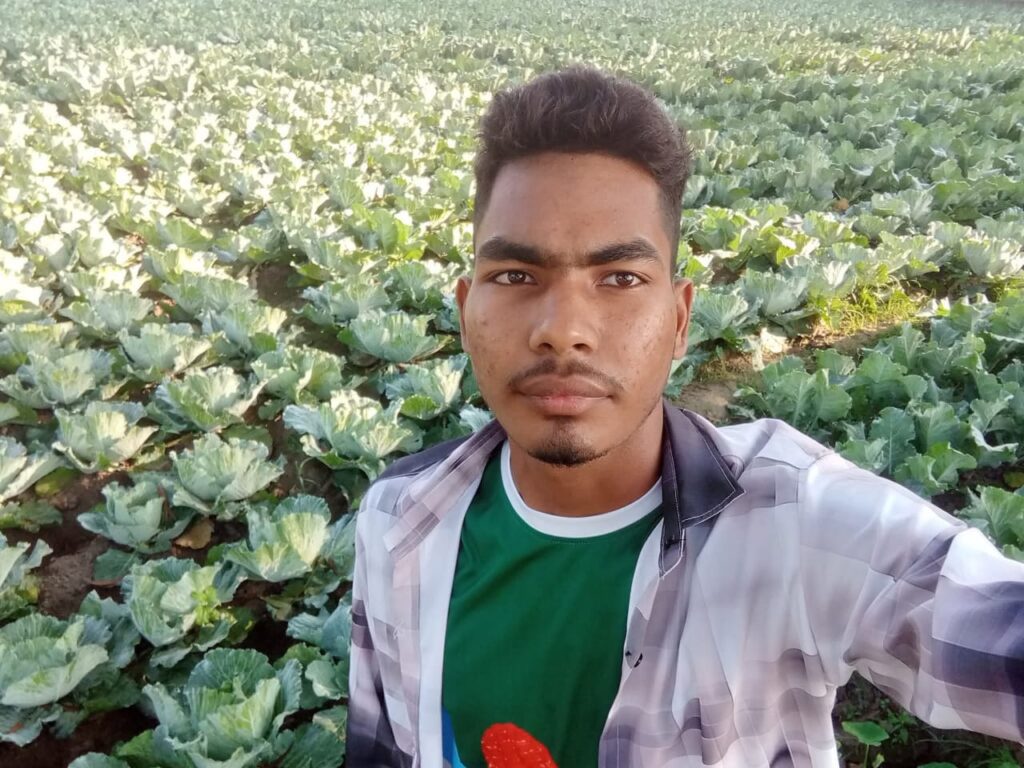
The success of Asif Hasan with Sudorshon shows once again that with the right variety and proper farming methods, anyone can succeed.
- Right variety (Sudarshan)
- Right farming method
- Environmental awareness
If these three things are followed, anyone can succeed in cauliflower farming. For farmers in Bangladesh, this is a ray of hope. With hard work and proper planning, our agricultural future can definitely be bright.
